Referrals For The Generation, Quantification, Storage Space And Handling Of Peptides Utilized For Mass Spectrometry-based Assays
Exactly How To Store Peptides: Taking Care Of & Storage Space Guidelines A lot of lyophilized (freeze-dried) peptides continue to be steady for 2+ years when kept at -20 ° C in a sealed vial protected from light and wetness. Some extremely steady compounds like BPC-157 and TB-500 can last 3+ years under perfect conditions. For ultra-long-term archival, -80 ° C storage space can expand stability to 5+ years. Whether you're handling a college lab, biotech facility, or pharmaceutical research program, these scientifically confirmed storage space methods will help preserve peptide stability and research study honesty. Peptide stability varies substantially based upon amino acid structure and series. Furthermore, in previous reports utilizing AAA of crude peptidepreparations to evaluate content without a desalting step were compromised byresidual scavenger reagents (42 ). Table 4 compares the AAA of the high andlower pureness peptides shown in Fig. The existence ofpeptide types without the N-terminal deposit is consistent with the lowercontent of Phe in the reduced purity prep work. Some amino acids were notdetected well in either the high or lower purity examples. Injectable peptides, such as those used for weight management, muscular tissue development, and anti-aging purposes, need proper handling and storage space to preserve their strength and efficiency. Whether you're at home or traveling, complying with these guidelines will certainly ensure you obtain the very best arise from your procedure. • Enhances transportation security → secured vials endure room temperature for days/weeks. Cold can compromise containers and labels and may influence the prep work. If your set consists of amazing packs for transport, make sure vials do not rest straight on frozen surfaces; maintain vials completely dry and shielded from condensation.
What negates peptides?
Salicylic acid''s exfoliating action might destabilize the peptides, decreasing their skin-repairing benefits. Suggestion: To avoid any type of interaction, use salicylic acid and peptide products at different times. For example, incorporate salicylic acid in your morning regimen and peptides in your night routine.
Do not store frozen peptide solutions in a frost-free fridge freezer. Alterations like acetylation, amidation, cyclization, or unification of D-amino acids can considerably improve resistance to enzymatic destruction and chemical decay. If longer storage is needed, recombinant peptides can be iced up listed below -20 ° C, which can prolong their stability to several months. Prior to starting, enable both the peptide vial and solvent to get to space temperature level. Reconstituted peptides can tolerate 4-- 6 hours outside refrigeration if kept cool. Adhere to your normal drug routine as long as feasible while taking a trip.
The majority of research peptides are supplied as a dry lyophilized powder.
Throughout peptide transport, avoid expanded durations at area temperature level or exposure to direct warmth resources, which may reduce shelf life of peptides substantially [5]
What functions dramatically for one researcher might produce subtle results for an additional.
After including water, resist every urge to drink the vial.
To save time, you can likewise prefill syringes with your recommended does and store them in the fridge for as much as 7 days.
Store peptide vials in the main area of your fridge, far from light, moisture, and severe temperatures. Prevent storing them in the refrigerator door, where temperature level variations, and frequent shaking of the vial occurs each time it's opened up. Prevent storing them in the fridge door, where temperature level fluctuations and regular drinking of the vial happen each time it's opened up. Yes, if it is chemically sterile-- pure water is not an alternative.
How Much Time Do 10 Vials Of Peptides Last?
A purity of 98% indicates that 98% of the material discovered represents the target peptide. For study applications, purities over 95% generally are adequate. Higher pureness matters most for studies where also small impurities can amaze Click here for info outcomes. Some scientists use little microcentrifuge tubes for aliquots. Others choose single-dose syringes, prefilled and icy individually. The trick is never ever returning thawed out service to the freezer.
Linked Data
In general, lyophilized peptides are more steady than reconstituted materials, while reconstituted peptides typically require cooled, much more controlled handling conditions. This is since multiple "peakgroups" (i.e., "collections" of co-eluting or very closely elutingchromatographic peaks in the retention time home window of each measured shift) arelikely to be present. Prior to reconstituting peptides, lyophilized powder needs to be broughtto room temperature level in a desiccator to stay clear of water absorption in the unusedpeptide, hence reducing variants in concentration of lyophilized aliquots. Ifreconstituting a peptide for the very first time, and whenever possible, a smallamount of the peptide must be reconstituted prior to dedicating the entire lotby considering out a small aliquot. Sulfotyrosine-containing peptides might lose their task as a result of the desulfation. The secret is identifying that peptides are living molecules that react to their environment. Temperature level adjustments, pH variations, light exposure, and oxygen can all activate deterioration pathways that endanger your speculative results. Peptides are powerful study tools that can unlock brand-new discoveries in your lab.
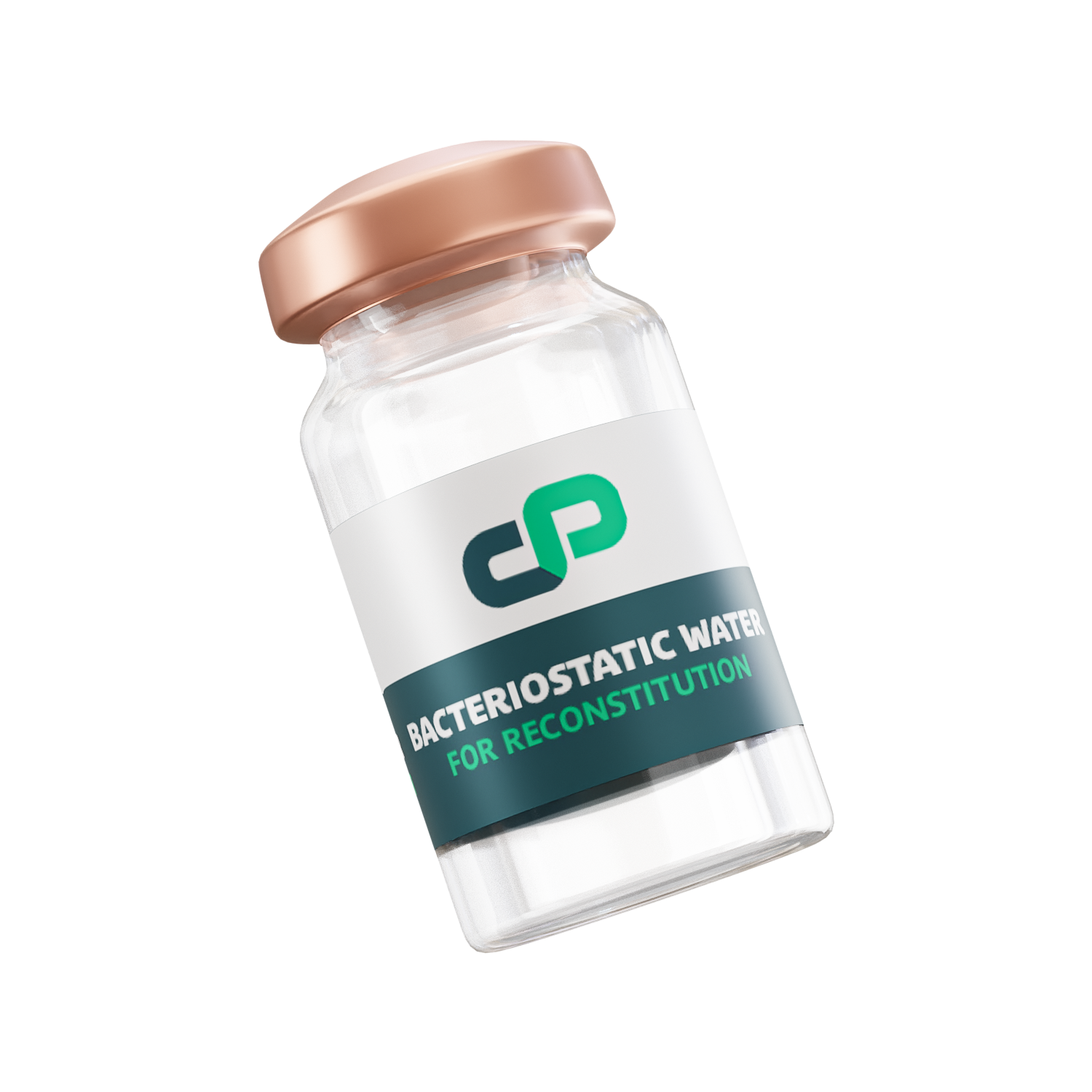
● Bacteriostatic Water (bac)
Constantly keep your peptides in opaque or amber vials or containers to safeguard them from the hazardous impacts of light exposure [3] These certain containers are made to stop harmful UV rays from ruining your precious samples. Think about the vials' capacity to obstruct light and suitability for your certain peptide samples while selecting them. If you would love to preserve peptides for an extended period of time, normally more than six months then Icing up at -20 ° C( -4 ° F)or listed below is proper [2] Treatment needs to be taken, though, with the number of freeze-thaw cycles considering that the direct exposure to ice crystals may interrupt the fragile peptide structure. To lessen this danger, think about splitting your peptide examples right into smaller sized aliquots before freezing, only defrosting each http://www.video-bookmark.com/user/eriatssvld time the quantity you require per experiment.